Beyond the Needle: The Future of Biopsy-Equivalent Diagnostic Solutions
Discover how new biopsy-equivalent diagnostic solutions are replacing invasive procedures with faster, safer, and more accurate non-invasive testing methods.
Read More
Beyond Antibodies: The Rise of Label-Free CTC Enrichment Methods
Explore the shift toward label-free CTC enrichment methods. Discover how size, density, and electrical properties are improving the detection of heterogeneous cancer cells.
Read More
Advancing Precision Medicine: A Look at BloodScan Biotech’s Latest Clinical Studies
Explore the latest clinical studies from BloodScan Biotech. Discover how our research in biomarker analysis and AI-driven diagnostics is shaping the future of medicine.
Read More
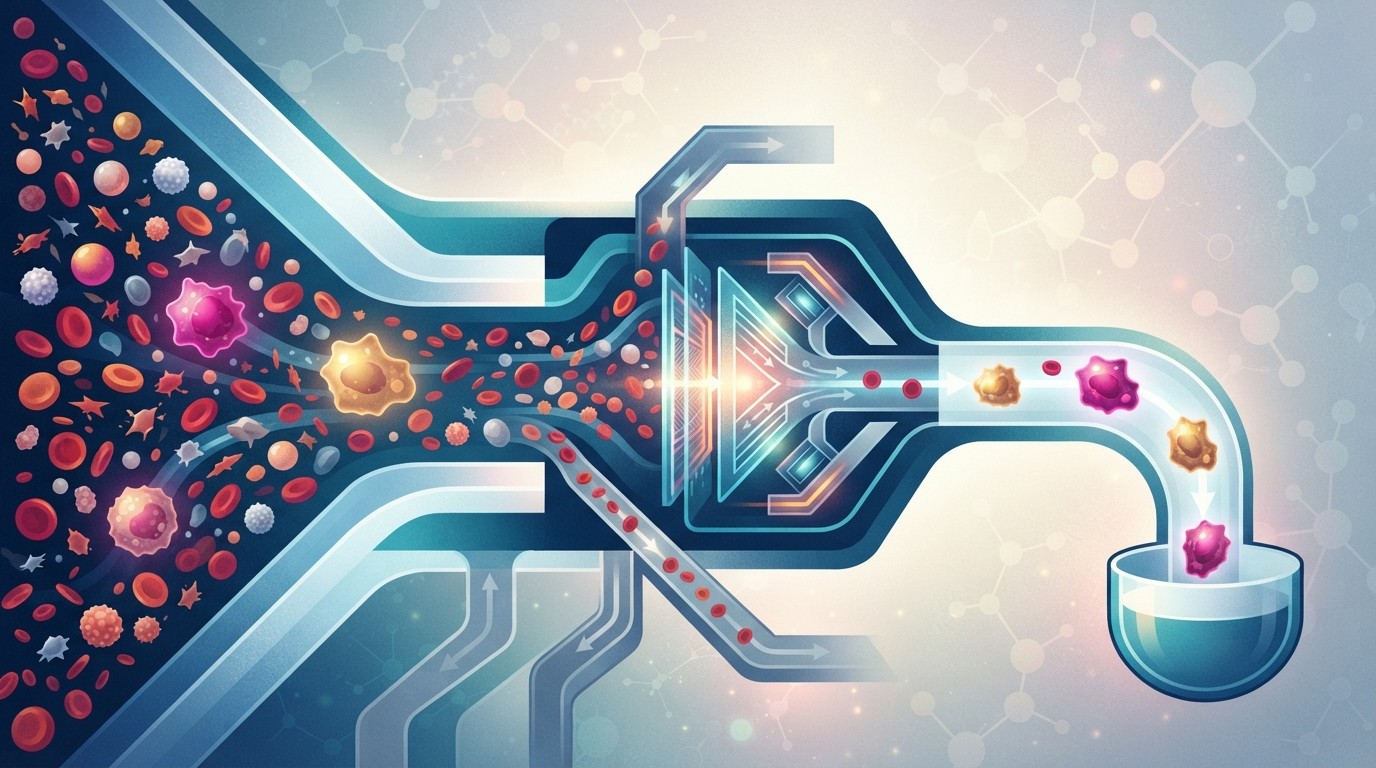
A Comprehensive Guide to Isolating Intact Circulating Tumor Cells (CTCs) from Blood
Learn the most effective techniques for isolating intact Circulating Tumor Cells (CTCs) from blood samples, including affinity-based and size-based strategies.
Read More
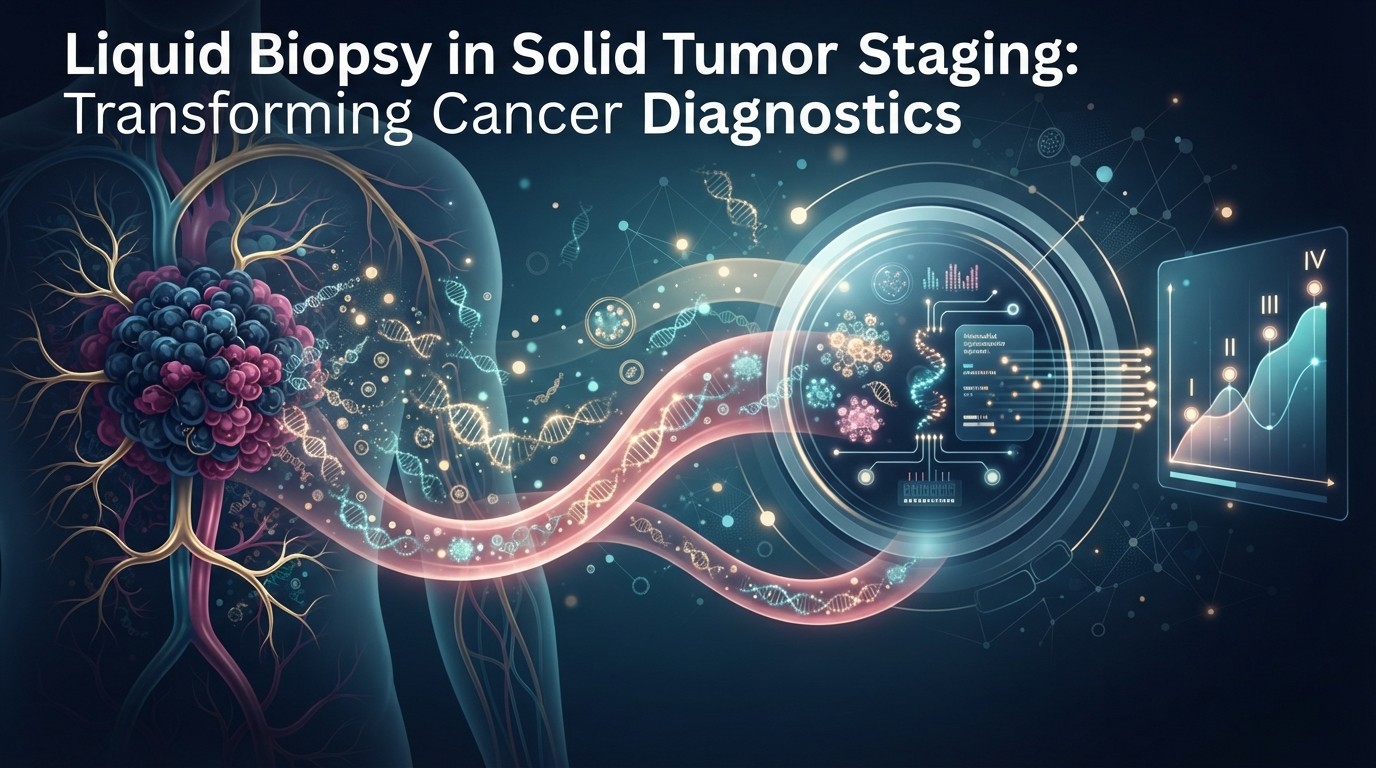
Liquid Biopsy in Solid Tumor Staging: Transforming Cancer Diagnostics
Discover how liquid biopsy is revolutionizing solid tumor staging. Learn about its role in monitoring treatment response, detecting recurrence, and precision oncology.
Read More
Genomic Concordance: Understanding Liquid Biopsy vs. Tissue Biopsy in Precision Oncology
Explore the clinical significance of genomic concordance between liquid and tissue biopsies in oncology and how they impact precision medicine.
Read More
Revolutionizing Precision Oncology: The Labyrinth One Liquid Biopsy System
Discover how the Labyrinth One liquid biopsy system is changing cancer diagnosis with non-invasive, high-sensitivity CTC isolation and real-time monitoring.
Read More
The Future of Oncology: How Blood-Based Cancer Diagnostic Tools Are Changing the Game
Discover how blood-based cancer diagnostic tools (liquid biopsies) are revolutionizing oncology, offering minimally invasive, early, and accurate detection of cancer.
Read More
What Is a Liquid Biopsy? A Complete Guide to the Future of Cancer Detection
Curious about what a liquid biopsy is? Learn how this breakthrough blood test is transforming cancer detection, monitoring, and precision treatment.
Read More
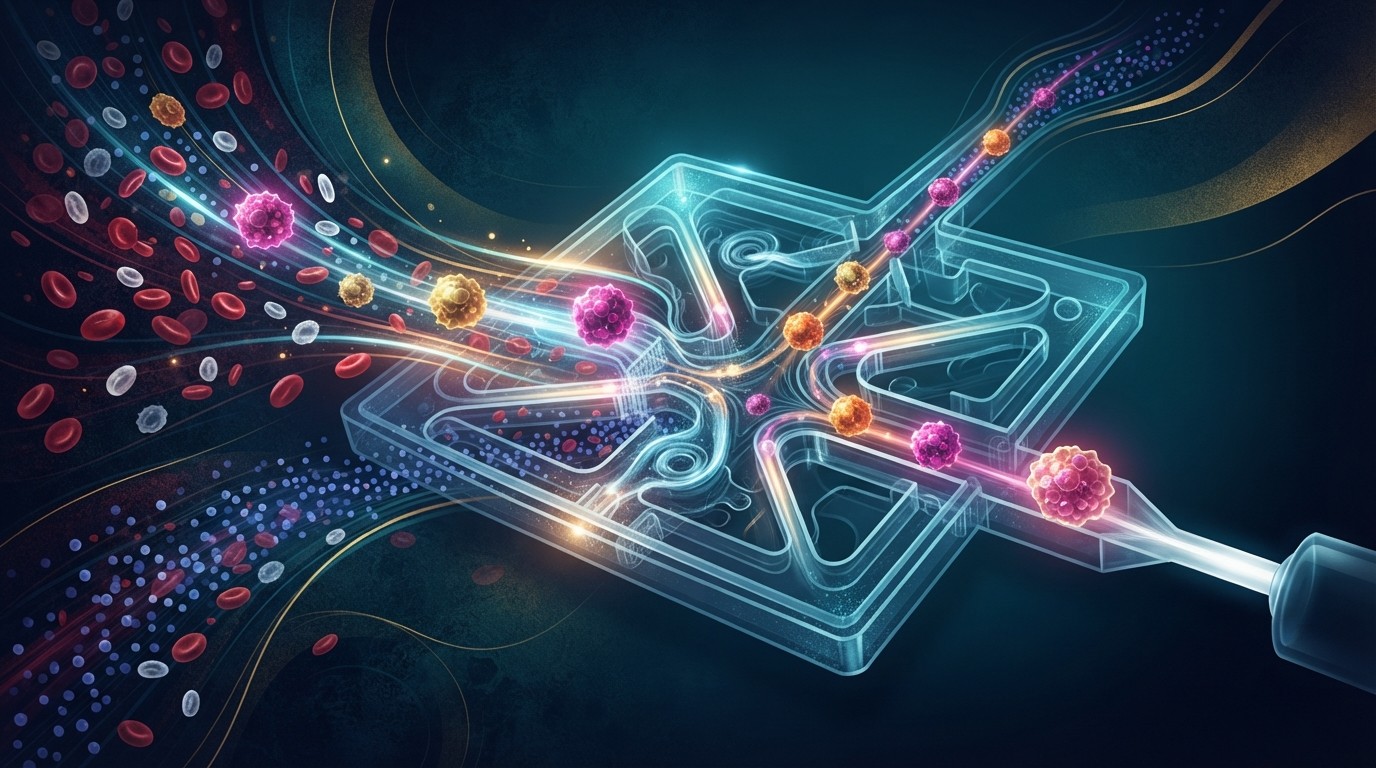
Revolutionizing Oncology: The Future of Circulating Tumor Cells (CTC) Isolation Technology
Explore the latest breakthroughs in Circulating Tumor Cells (CTC) isolation technology. Learn how liquid biopsies are transforming cancer diagnostics and precision medicine.
Read More
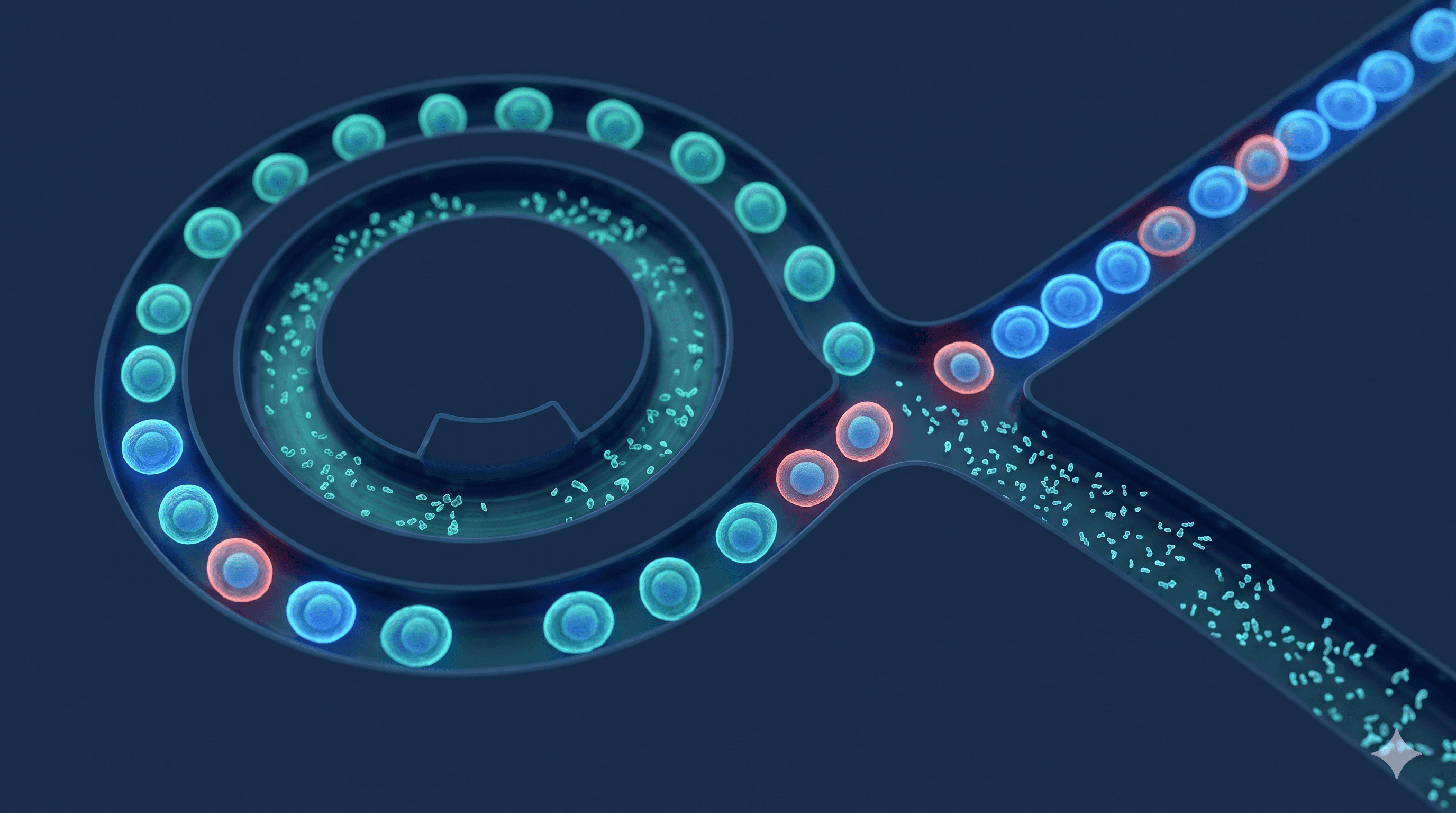
CTC Enumeration vs ctDNA for Monitoring Treatment Response in Clinical Trials
CTC enumeration counts intact tumor cells; ctDNA measures tumor DNA fragments. Here's how each tracks treatment response in oncology trials.
Read More
Can a Blood Test Catch Cancer Early?
Can a blood test catch cancer early? Some CTC liquid biopsies can. BloodScan reports detecting circulating tumor cells in pre-invasive DCIS and early HCC.
Read More
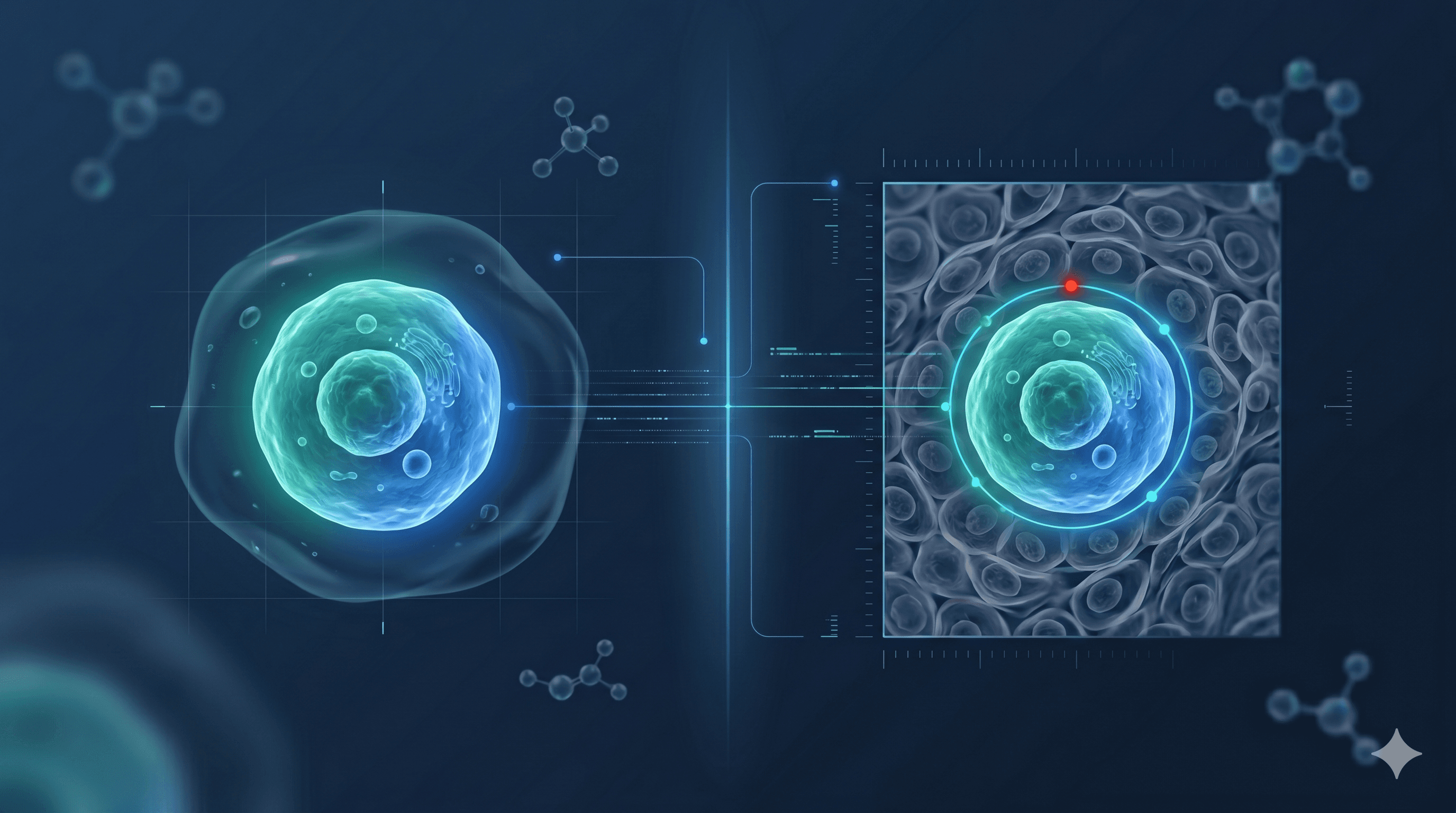
Is a CTC Liquid Biopsy Accurate?
How accurate is a CTC liquid biopsy? BloodScan reports 97% genomic concordance with matched tissue—here is what accuracy means for whole, intact CTCs.
Read More
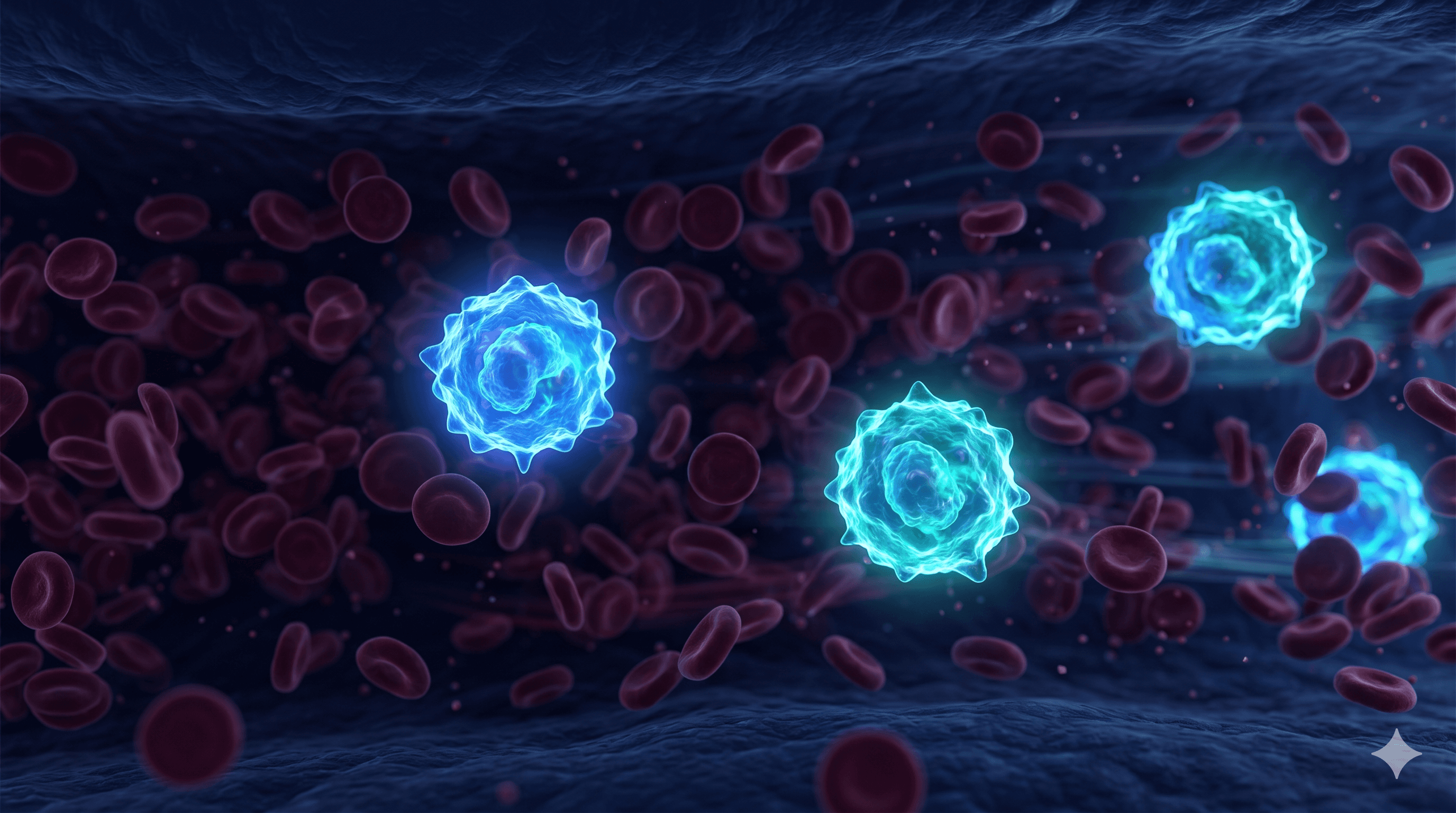
What Are Circulating Tumor Cells (CTCs)? A Complete Guide
Circulating tumor cells (CTCs) are intact cancer cells shed from tumors into the bloodstream. Learn what they are, why they matter, and how they're captured.
Read More
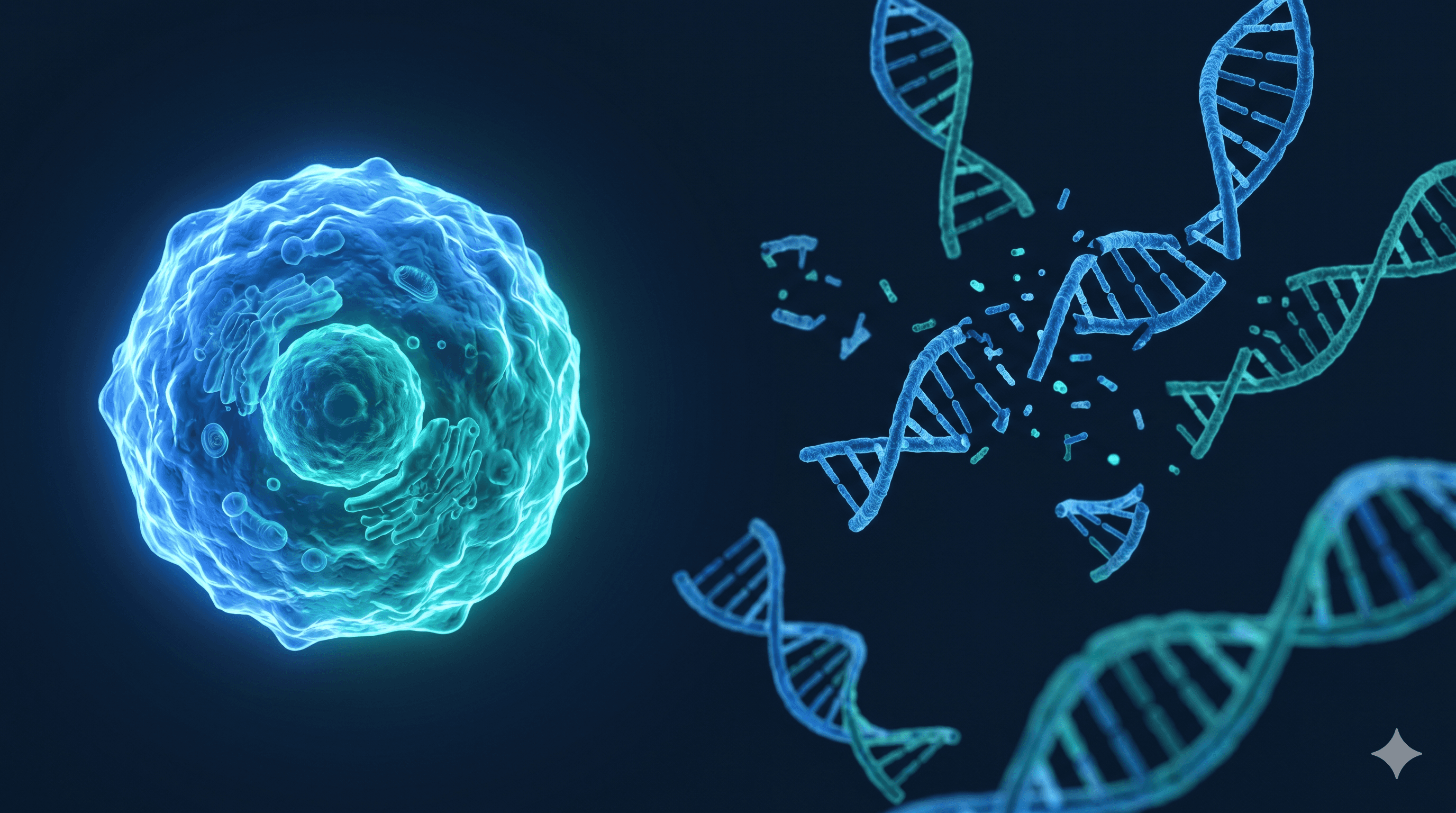
CTCs vs ctDNA: What a Whole-Cell Liquid Biopsy Reveals That ctDNA Can't
CTCs and ctDNA are both liquid biopsy analytes, but only CTCs preserve whole, intact cells. Here's how they differ and when each is the right choice.
Read More
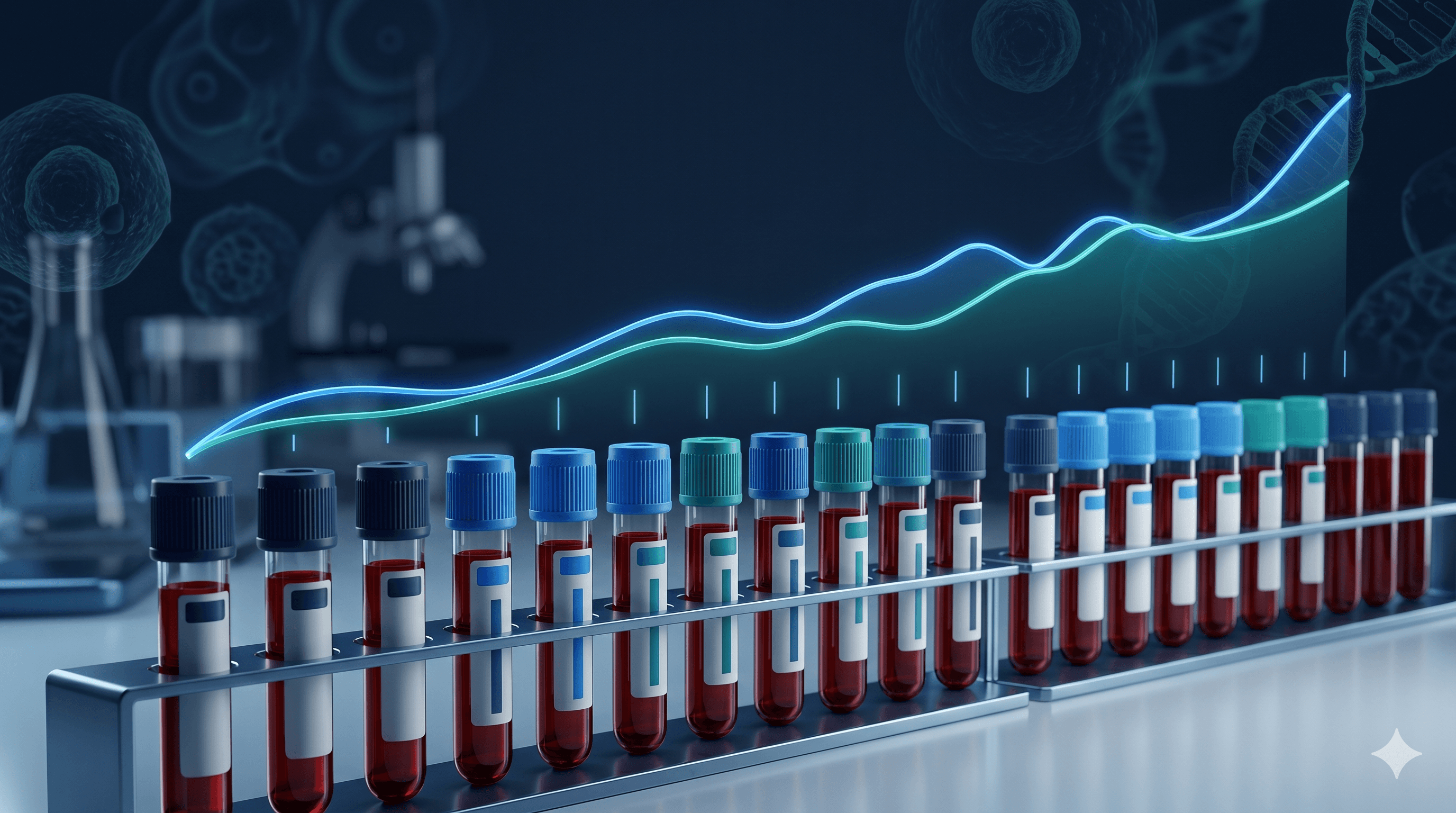
Using Circulating Tumor Cells to Track Patient Dynamics in Oncology Clinical Trials
CTCs offer a non-invasive way to track tumor dynamics across an oncology trial — enumeration, genomics, and functional assays from serial blood draws.
Read More
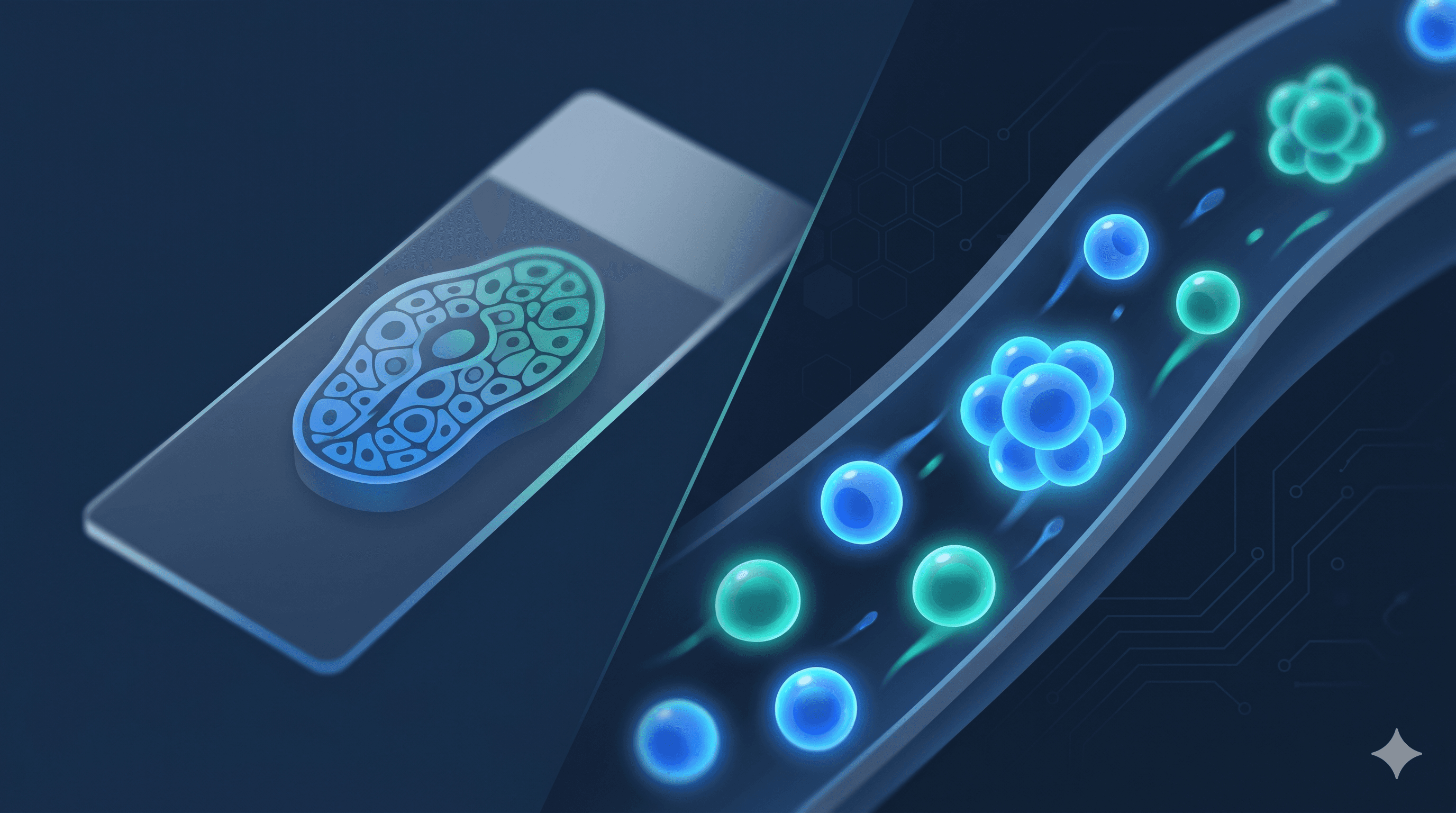
Tissue Biopsy vs Liquid Biopsy: When Each Makes Sense
Tissue biopsy and liquid biopsy answer different clinical questions. Here is when each makes sense and where intact CTCs bridge the two approaches.
Read More